

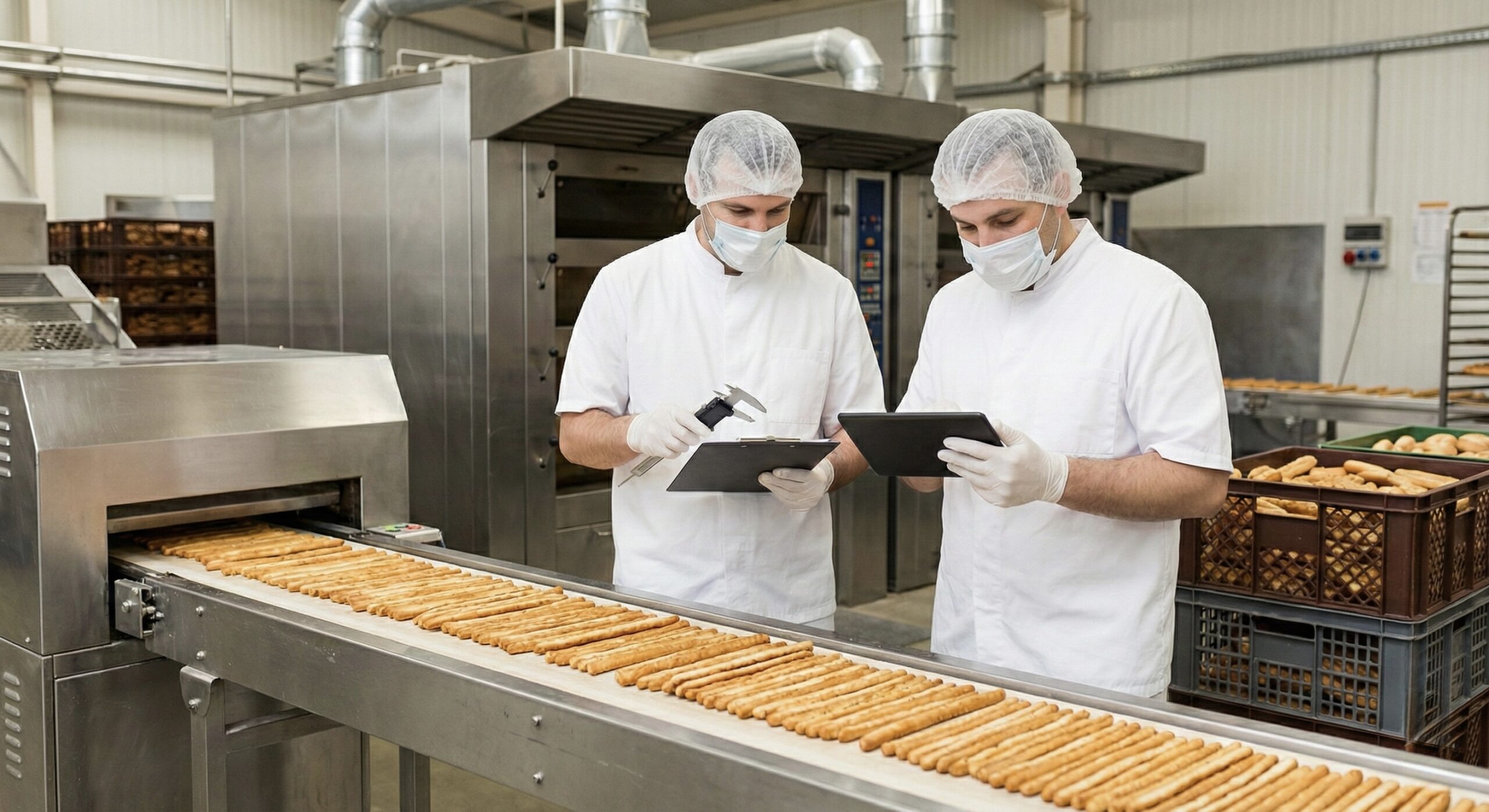
In the high-stakes world of the Food and Beverage (F&B) industry where profit margins are as thin as a crepe and the shelf life is even shorter SAP provides a digital backbone that connects “farm to fork.” As of 2026, no longer just a system of record, SAP’s strategy has shifted from traditional record keeping to Supply Chain Orchestration, using AI and real-time data to anticipate disruptions before they spoil the bottom line. SAP’s Food and Beverage solutions have evolved into an intelligent nervous system that connects every link of the value chain from the soil where ingredients grow to the smart shelves of modern retailers.
Bridging the Gap: From Farm to Fork
The modern consumer demands more than just taste; they demand transparency. SAP facilitates this through a seamless flow of data across the product lifecycle. Utilizing the SAP Business Network for Material Traceability, companies can now map every ingredient’s journey. In the event of a quality issue, what used to take weeks of manual audit trails now takes seconds. This precision not only ensures compliance with global food safety standards (like FSMA 204) but also protects brand integrity.
By integrating IoT sensors directly into the SAP digital core, sensors integrated with SAP track the “Cold Chain” manufacturers can monitor the temperature and humidity of perishable goods in real-time. If a refrigeration unit fails in transit, the system triggers an immediate reroute or quality check, preventing spoilage before it happens.
Using the SAP Business Network for Material Traceability, companies can track every ingredient’s journey. If a batch of spinach is flagged for contamination, the system identifies every affected product across the globe in minutes, not days. SAP S/4HANA automatically tracks expiration dates. It can trigger “First-Expired, First-Out” (FEFO) picking strategies in the warehouse to minimize waste and ensure freshness.
Agility in the Lab: Precision Recipe Management
In a world of “plant-based,” “gluten-free,” and “low-sugar,” R&D teams are under immense pressure to innovate quickly without sacrificing safety or consistency. SAP’s Recipe Development tools automatically cross-reference new formulas against regional regulations. If a specific dye is banned in Europe but allowed in the US, the system flags the conflict instantly. Quality is baked into the process, not added at the end. SAP embeds quality “gates” at every stage inspecting raw materials upon arrival, monitoring pH levels during mixing, and verifying label accuracy during packaging. Consistency is the hallmark of any food giant. SAP helps maintain “the secret sauce” at scale: R&D teams use SAP to manage complex formulas, ensuring that nutritional labels, allergen declarations, and ingredient lists are automatically updated across all regions. Quality checks are embedded at every stage from receiving raw materials to final packaging. If a batch doesn’t meet the pH level or texture specification, the system automatically blocks it from moving to the next stage.
The 2026 Intelligence Leap: Agentic AI and Predictive Planning
The hallmark of SAP’s 2026 strategy is the shift from reactive to autonomous operations.
AI Copilots (Joule): Planners can ask, “How will the port strike affect our vanilla supply?” and receive a simulated impact analysis and alternative sourcing options instantly.
Demand Sensing: SAP uses machine learning to analyze weather patterns, local events, and social media trends to predict sudden spikes in demand.
Agentic Collaboration: AI agents for material planning and procurement now “talk” to each other to automatically reorder ingredients when stocks are low, navigating supplier lead times without human intervention.
Sustainability: The Green Ledger
Sustainability has moved from a marketing slogan to a financial necessity. With the introduction of “The Green Ledger” in 2026, SAP allows companies to manage carbon as strictly as they manage cash. With 2026 regulations like the EU’s plastic taxes and global ESG mandates, sustainability is no longer optional.
SAP Responsible Design and Production, it helps companies track packaging materials to comply with circular economy laws and automatically calculate plastic taxes (a major factor for companies like Adam Foods). Planners can choose suppliers based not just on price, but on their environmental impact, helping brands meet their Net Zero targets. SAP allows companies to treat carbon like currency. The “Green Ledger” tracks the CO2 impact of every ingredient, helping brands market themselves as truly “Net Zero” to eco-conscious consumers. By optimizing inventory levels and improving demand forecasting, SAP typically helps Food and Beverage companies reduce food waste by up to 20–30%. SAP’s Responsible Design and Production module tracks packaging materials globally. As plastic taxes increase across the EU and North America, the system automatically calculates liabilities and suggests more sustainable material alternatives.
Scaling for Growth: Solutions for Every Enterprise
SAP’s F&B ecosystem is designed to scale with the business, offering tailored paths for companies of all sizes:
SAP S/4HANA Cloud: Ideal for large-scale, global manufacturers needing a standardized, “Best Practice” approach to multi-national operations.
SAP Business One for Food and Beverage: A robust, cost-effective solution for mid-sized producers who need high-end features like batch tracking and recipe management without the complexity of a global ERP.
The Future is Integrated
For the food and beverage industry, the challenge of 2026 is managing complexity at speed. Transitioning from a legacy system (like SAP ECC or a non-SAP ERP) to SAP S/4HANA in 2026 requires more than a technical upgrade; it requires a “Clean Core” strategy that leverages AI and sustainability tracking. SAP provides the tools to turn that complexity into a competitive advantage. By unifying safety, innovation, and sustainability into a single digital platform, SAP ensures that the journey from the farm to the fork is efficient, transparent, and most importantly profitable.
Do you have any questions about Bolders Consulting Group’s services? Or, are you looking for more information regarding our solution development services? Contact Bolders today to learn how we can help transform your business with our solutions!