

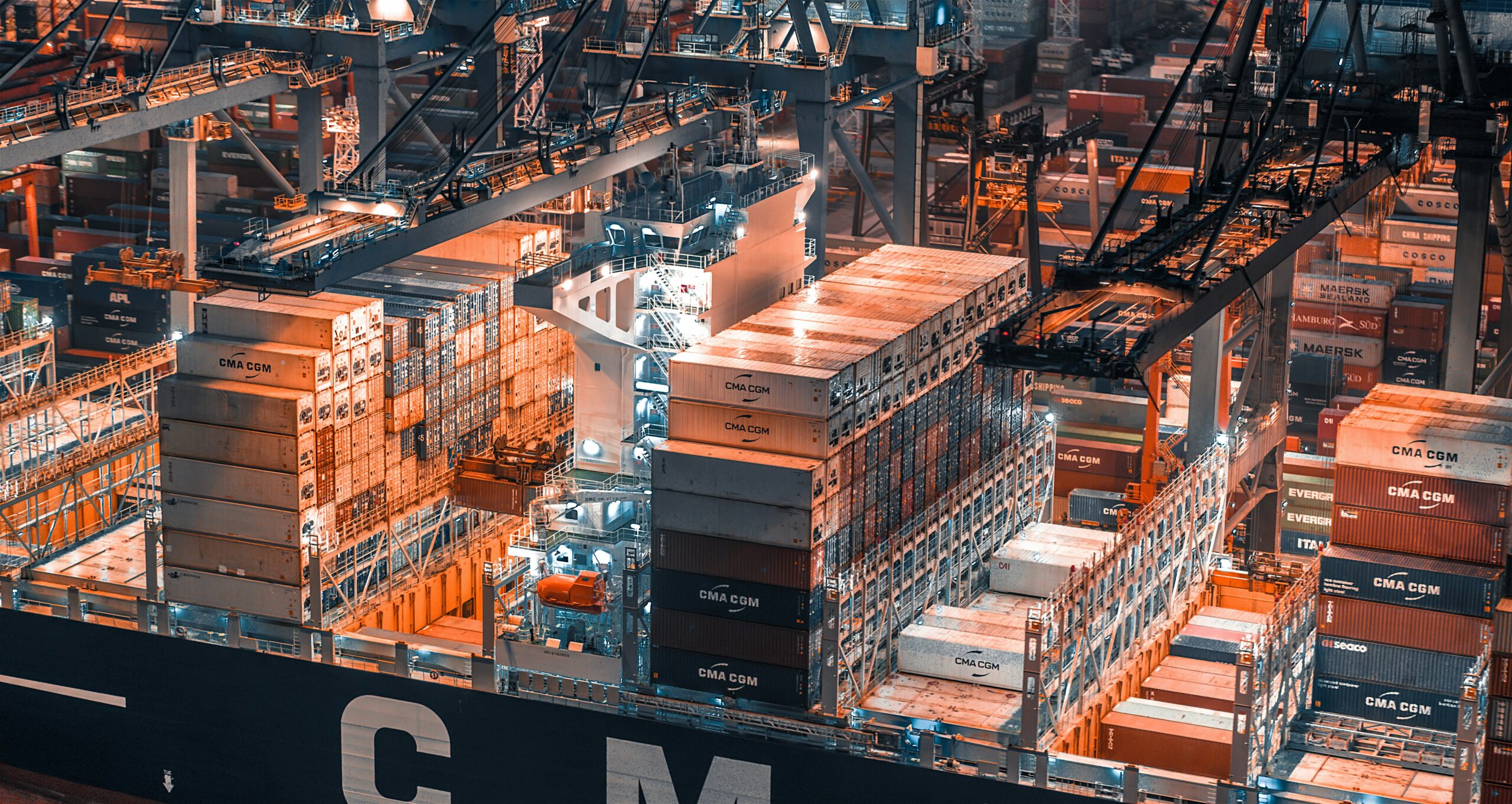
The year 2026 marks a pivotal moment for supply chain management. Gone are the days of reacting to equipment breakdowns or sticking rigidly to outdated maintenance schedules. Thanks to the relentless march of Artificial Intelligence, asset maintenance has undergone a radical transformation, shifting from a necessary evil to a powerful competitive advantage. Welcome to the era of the “self-healing supply chain,” where critical assets anticipate their own needs, drastically reducing downtime, extending lifespans, and fostering unprecedented operational efficiency. This transformation isn’t just about buzzwords; it’s about a fundamental re-engineering of how we protect and prolong the life of our most critical assets, both physical and digital.
From Reactive to Prescriptive: The AI Evolution
The journey of asset maintenance has seen several pivotal stages, each designed to mitigate the costly disruptions of equipment failure. AI, however, represents the ultimate leap. Reactive maintenance, the “fix-it-when-it-fails” approach, is now a last resort, quickly followed by the often inefficient “over-maintenance” of preventive schedules. The real game changer is Predictive Maintenance, where AI acts as an advanced early warning system, detecting anomalies and forecasting potential failures with remarkable accuracy often 30-90 days in advance and with 90% reliability. But 2026 sees the rise of Prescriptive Maintenance, pushing beyond prediction. Here, AI not only anticipates a breakdown but leverages its vast knowledge base to recommend the exact steps, parts, and even the optimal time for intervention, transforming technicians into strategic asset surgeons.
The Technological Backbone: A Symphony of Innovation
The self-healing supply chain isn’t built on a single AI breakthrough but rather a powerful synergy of advanced technologies:
- Digital Twins: These virtual replicas of physical assets, whether a single forklift or an entire warehouse, allow companies to simulate “what-if” maintenance scenarios. This ensures that any repair or upgrade is optimized in the digital realm before being applied to its physical counterpart.
- Edge AI: Processing data directly on the device the “edge” enables instantaneous decision-making. This is crucial for critical situations where a fraction of a second can prevent catastrophic failure, allowing machines to trigger emergency shutdowns autonomously.
- Computer Vision: AI-powered cameras are now continuously scanning infrastructure, transport fleets, and manufacturing lines for visible signs of wear, hairline cracks, fluid leaks, or structural fatigue that traditional sensors might miss.
- Agentic AI: Autonomous AI “agents” are the architects of the self-healing supply chain. Upon predicting a future failure, these agents can automatically initiate procurement processes for spare parts from preferred suppliers and even book a certified technician, all without human intervention.
Impact Across Supply Chain Nodes
Asset maintenance isn’t just about factory machines; it affects every link in the chain. The influence of AI-driven maintenance extends far beyond the factory floor, touching every node of the supply chain:
Warehouse & Fulfillment: In smart warehouses, AI meticulously monitors fleets of Autonomous Mobile Robots (AMRs) and sophisticated sorting systems. AI optimizes battery charging cycles for robot fleets, ensuring uninterrupted operation during peak demand, and can even suggest dynamic slotting to move high-wear inventory items closer to maintenance bays.
Transport & Fleet: For trucking and shipping, AI transforms “vehicle health.” For trucking, rail, and maritime shipping, AI has redefined vehicle health. Predictive Telematics analyzes engine vibrations, fuel consumption patterns, and sensor data to foresee alternator or transmission failures long before a vehicle ever leaves the depot. Maintenance schedules are dynamically adjusted based on route intensity a truck traversing a desert in summer will receive faster oil analysis than one on a consistent urban route.
Manufacturing: The heart of many supply chains, manufacturing benefits immensely. Integrated vibration, temperature, and acoustic sensors “listen” to machines with unprecedented fidelity. AI can now detect a nascent bearing failure merely by identifying a subtle change in its sound frequency, preventing costly downtime and product defects.
A Sustainable and Augmented Future
Beyond the immediate operational gains, AI-driven asset maintenance is also a boon for sustainability and workforce development.
Environmental Stewardship: By facilitating repairs rather than outright replacements, companies are significantly reducing their “Scope 3” carbon emissions and minimizing material waste, contributing to a greener future.
Augmented Workforce: In 2026, maintenance technicians are empowered by Augmented Reality (AR) headsets, often powered by Generative AI. These systems overlay detailed repair instructions, technical diagrams, and even real-time diagnostic information directly onto the physical machinery. This not only enhances safety but also enables less-experienced technicians to perform complex repairs with confidence and precision, bridging skill gaps and boosting overall productivity.
The AI Arsenal: Tools Reshaping Asset Care
The power of AI in maintenance stems from a sophisticated suite of technologies working in concert:
Digital Twins: These virtual replicas of physical assets are at the forefront. By simulating millions of operational scenarios, AI can test the limits of equipment without risking real-world damage. This capability offers unparalleled insights into an asset’s resilience and potential failure points.
Computer Vision: Far beyond human capabilities, AI-powered cameras and drones now conduct meticulous visual inspections. They meticulously scan vast infrastructures like bridges, power lines, and pipelines, identifying microscopic cracks, stress fractures, or corrosion that would be imperceptible to the unaided eye.
Acoustic & Vibration Analysis: The “listening” capabilities of deep learning models are revolutionizing fault detection. By analyzing the subtle hums and vibrations of machinery, AI can pinpoint the minutest changes in frequency from a bearing or gear, signaling an impending issue months before a catastrophic breakdown.
Generative AI (GenAI) as Your Digital Coworker: Perhaps one of the most exciting developments is GenAI’s role in empowering the frontline workforce. Technicians can now interact with AI agents, asking natural language questions like, “What were the common causes of failure for this specific hydraulic pump last year?” The AI responds with distilled insights, comprehensive repair procedures, recommended replacement parts, and even optimal ordering information, significantly reducing diagnostic time and boosting first-time fix rates.
The economic impact is profound: studies indicate that AI-driven maintenance delivers an impressive 10:1 to 30:1 Return on Investment (ROI) within the first 18 months of implementation, primarily through savings in labor, spare parts, and the invaluable prevention of production losses.
The self-healing supply chain is no longer a futuristic concept; it’s the present reality, reshaping how industries operate, manage risk, and thrive in an increasingly complex global economy. The fusion of physical assets with intelligent AI systems is not just an incremental improvement—it’s a fundamental paradigm shift that is here to stay.
The future of asset maintenance in 2026 is one where AI doesn’t just predict problems; it orchestrates solutions. With the rise of “Agentic AI,” systems are evolving to not only alert human operators but to autonomously initiate corrective actions from ordering replacement parts and scheduling technician visits during optimal production windows to dynamically adjusting operational parameters to prevent impending failures.
The question for businesses today is no longer if they should adopt AI for asset maintenance, but how quickly they can embrace this intelligent revolution to secure operational resilience and sustained profitability.