

Turning “trash into cash” is no longer just a feel-good environmental play, it’s a sophisticated economic strategy known as the Circular Economy. In 2026, resource scarcity and stricter regulations mean that what you throw away is literally a leak in your balance sheet.
The shift from a linear “dispose-of” mindset to a circular “value-extraction” model is no longer an ESG elective, it is a competitive requirement.

To capture this value, businesses must look across four critical industry “hot spots” and deploy targeted, technology driven solutions:
1. Manufacturing, Processing, and Packaging
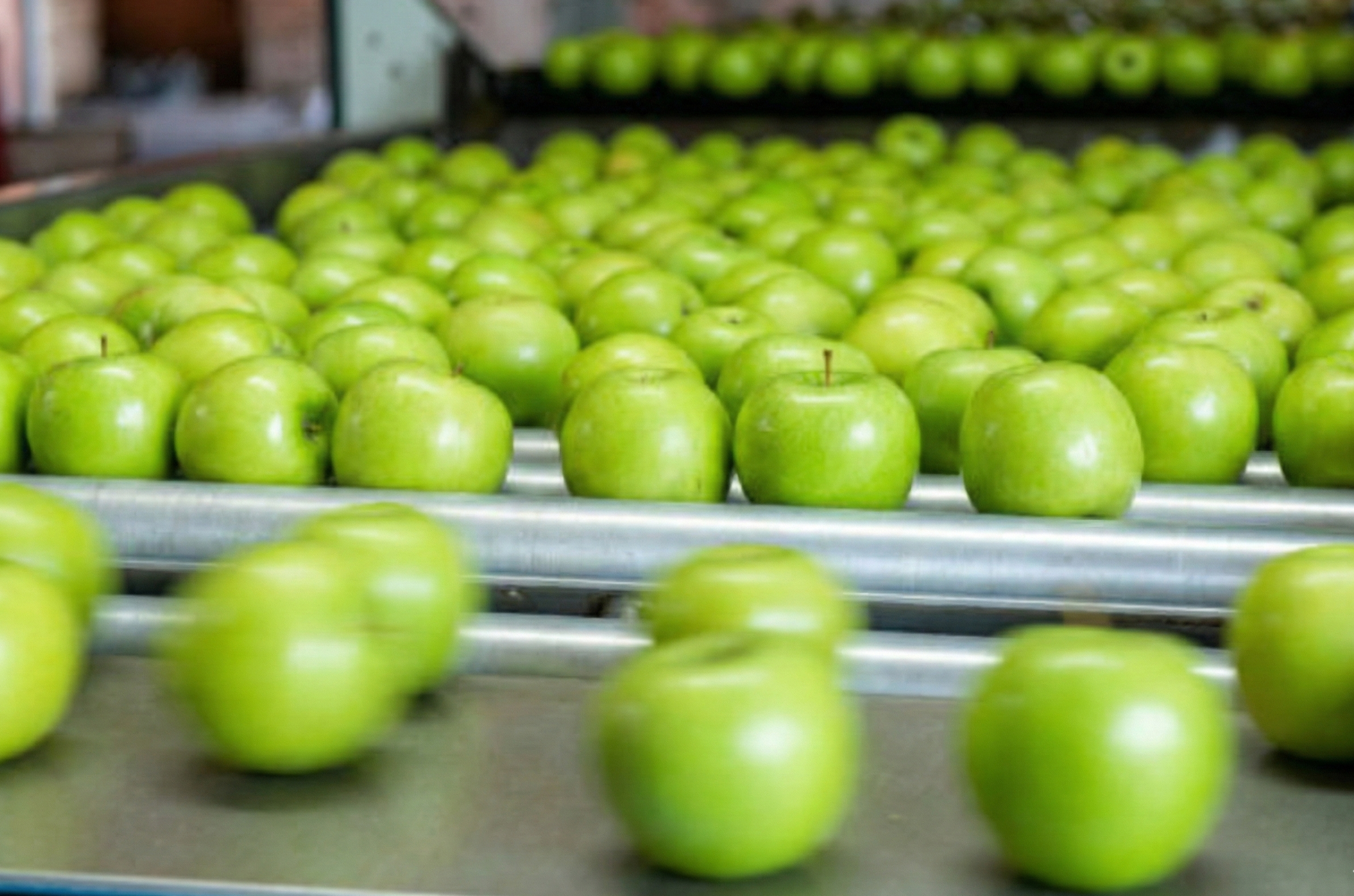
In this sector, waste is a design flaw. The goal is to keep materials at their highest utility for as long as possible. Your “trash” is another company’s raw material. For example, food processing byproducts (like fruit peels) are now being sold to cosmetic firms for enzyme extraction or transformed into bio-based polymers for packaging. The Shift, moving from “Waste Disposal” to “Biomanufacturing Feedstock.”
- Glucose & Chemical Extraction: Food processing byproducts (like fruit peels or grain husks) are high-water-content “waste” that are expensive to transport. In 2026, companies like Hyfé are converting these on-site into industrial glucose, antioxidants, and proteins.
- Upcycled Ingredients: Instead of selling “spent grains” as cheap animal feed, manufacturers are refining them into high-fiber flours for “Upcycled Certified” consumer products, fetching 3–5x the margin.
- Extended Producer Responsibility (EPR): New 2026 regulations in the EU and parts of the US now penalize waste generation. Investing in “Design for Valorization” (ensuring byproducts are clean enough for secondary use) acts as a hedge against these rising taxes.
With 2026/2027 deadlines requiring up to 20–30% recycled plastic in packaging, manufacturers who create “clean” waste streams can sell their high-quality scrap at a premium to competitors struggling to meet quotas. Design products for easy disassembly. If a machine fails, you should be able to harvest the sensors and motors for reuse in new models, drastically reducing procurement costs.
2. Distribution and Storage: Preventing the “Silent Leak”
Waste in distribution is often “silent” it happens behind closed doors in refrigerated trucks and warehouses due to temperature fluctuations or logistics delays. Moving from “Blind Transit” to “Digital Twin Visibility.” 2026 marks the era of Interconnected Logistics. By moving away from static “Best Before” dates to dynamic tracking, we can prevent goods from ever reaching the “waste” status. Deploy AI-Driven Dynamic Rerouting. If a shipment of avocados is ripening faster than predicted, sensors trigger an automated reroute to a nearby processor for immediate “guacamole” production, rather than shipping it to a distant retailer where it will be rejected upon arrival. Using RFID and smart sensors (like Avery Dennison’s intelligent labels), distributors can track the actual remaining shelf life based on temperature fluctuations, rather than just the “Best Before” date.
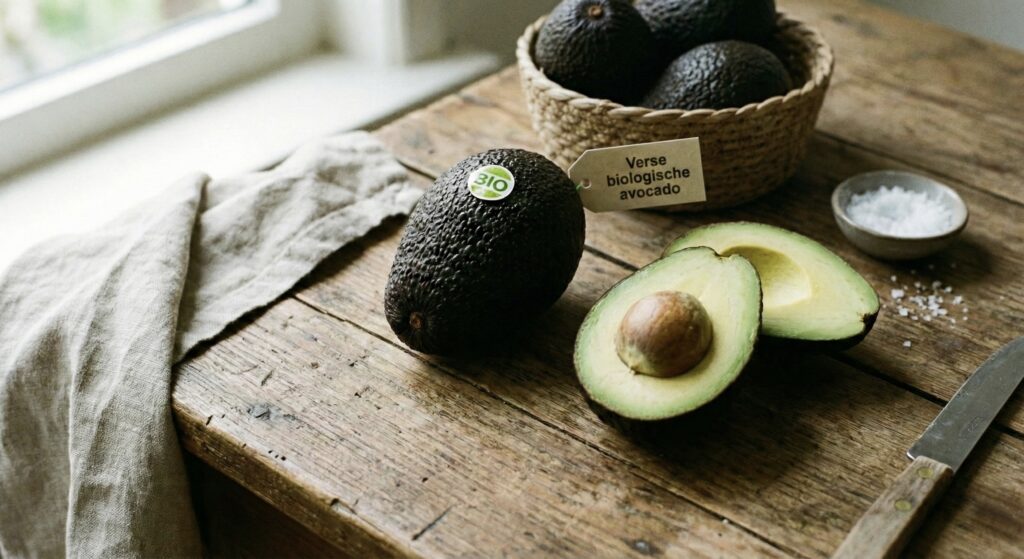
If a shipment of produce is ripening faster than expected due to a cooling failure, AI can automatically reroute that specific pallet to a closer processing plant (to be turned into juice) instead of letting it reach a retailer where it would be rejected.
Platforms now link warehouse inventory systems directly to secondary markets. “Short-coded” stock (items nearing expiry) is automatically listed on B2B marketplaces for quick sale at a 20-30% discount, recovering costs that would otherwise be total losses. This minimizes “Total Loss” events and maximizes the recovery of the original capital invested in procurement.
3. Wholesale and Retail: From Overstocking to Precision Sales
Retailers have traditionally relied on “abundance” to drive sales, leading to over-ordered shelves and massive end-of-day waste. With the help of Predictive Analytics, retailers can now align inventory with hyper-local demand in real-time. Integrate Automated Markdown Optimization. Instead of manual price-tagging, digital shelf labels can automatically adjust prices as an item nears its expiration date. Simultaneously, retailers can partner with “Surplus Marketplaces” to sell mystery bags of near-expiry items directly to consumers. This recovers margins on items that would otherwise be a 100% loss and increases foot traffic from value seeking customers. By 2026, many products carry a digital twin. Retailers can use this data to prove a product’s “green” credentials, justifying a premium price and simplifying the trade-in process for customers.
4. Food Service and Household Consumption: Closing the Nutrient Loop
The final stage is often the most fragmented, but it holds the key to the Bio-Economy.
Portion Customization: Food that cannot be eaten is still a dense source of energy. In 2026, we are seeing the rise of “Waste-to-Asset” localized systems. By offering tiered portion sizes based on data, they reduce food costs by 10–15% while improving customer satisfaction.
Subscription-Based Composting: For households, “Waste-as-a-Service” models collect scraps to be converted into sustainable animal feed. Companies like Mill are turning kitchen scraps into high-quality chicken feed or fertilizer. Restaurants are using AI to track “plate waste” (what customers leave behind). For the business, this creates a data-rich subscription model and a valuable agricultural product to sell back to the supply chain.
Waste-to-Energy (Bio-gas): Drastic reduction in utility costs (via bio-gas) and waste-hauling fees, combined with the ability to sell high-quality compost or credits back into the agricultural supply chain. Large-scale food service providers (like hospitals or universities) are installing On-site Anaerobic Digesters. These systems turn kitchen scraps into bio-gas for cooking and nutrient-rich liquid fertilizer.
The Bottom Line: Waste is Just Mismanaged Data
The common thread across all four hot spots is information. In 2026, the companies winning the “war on waste” are those that treat every calorie like a data point. By measuring, tracking, and valuing what was once thrown away, businesses are discovering that the highest margins aren’t found in selling more they are found in wasting less. Waste isn’t waste until we waste it. In the modern economy, the most sustainable business is also the most profitable one.