

For years, the retail industry struggled with a fundamental technology problem: attempting to run fast-moving, omnichannel businesses on generic, one-size-fits-all ERP systems. Retailers spent millions customizing these legacy systems just to handle basic industry requirements, creating a web of “technical debt” that made future upgrades nearly impossible.
In 2026, following the major announcements at the National Retail Federation (NRF) conference, that era is officially over. The industry has entered the age of Hyper-Verticalization (via the SAP Industry Cloud) and Autonomous Back-End Orchestration. By utilizing the SAP Business Technology Platform (BTP) and a “Clean Core” strategy, retailers are now deploying highly specialized, AI-driven modules that transform both how they sell to consumers and how they move physical inventory.
Here is a comprehensive breakdown of how these two forces are merging to create the modern retail architecture.
Hyper-Verticalization and the SAP Industry Cloud for Retail
Hyper-verticalization is the shift away from generic software toward cloud applications pre-configured for the exact data models, workflows, and consumer behaviors of a specific industry. Instead of altering the core SAP S/4HANA engine, retailers plug these specialized modules into SAP BTP.
In 2026, this industry-specific approach is heavily defined by Agentic AI artificial intelligence that doesn’t just analyze data, but actively executes workflows.
1. Retail Intelligence & AI-Driven Demand Planning
Predicting consumer demand using historical spreadsheets is obsolete. SAP’s newly launched Retail Intelligence solution (part of the SAP Business Data Cloud) acts as the brain of retail planning.
The Capability: It harmonizes real-time data from point-of-sale systems, warehouse inventory, customer loyalty apps, and third-party suppliers.
The AI Advantage: It runs continuous AI-generated simulations to help planners anticipate market shifts. If a sudden weather event alters buying patterns, the system automatically adjusts inventory forecasts, reducing manual planning effort and minimizing costly stockouts or overstock discounts.
2. AI-Assisted Assortment Management via Joule
Managing product assortments across hundreds of stores used to require massive teams of data analysts. SAP has deeply embedded its generative AI copilot, Joule, into the daily workflows of retail merchandisers.
- The Capability: Planners can now create, modify, or retire store assortments using natural language.
- The AI Advantage: A merchandiser can simply type, “Adjust the Q4 footwear assortment for all Midwest locations to prioritize insulated boots based on the latest climate models,” and the system executes the heavy lifting across the database.
3. Agentic Commerce
The line between operational data and the customer experience is gone. SAP’s 2026 Commerce Cloud updates introduced “agentic commerce” via a new storefront Model Context Protocol (MCP) server.
It connects back-end data (products, live pricing, real-time inventory, and promotions) directly to AI-enabled shopping assistants. When a customer interacts with an AI chatbot on a retailer’s website, the AI knows exactly what is in stock at their local store and can instantly apply personalized, dynamic promotions to close the sale.
The Autonomous Back-End Supply Chain
If the Industry Cloud handles the retail strategy and customer experience, the back-end supply chain is the muscle that fulfills the promise. The massive innovation in 2026 is the breakdown of legacy silos. Warehouse management, materials management, and transportation logistics now operate as a single, AI-driven nervous system.
1. SAP Supply Chain Orchestration (The “Disruption Radar”)
Global supply chains are inherently volatile. To combat this, SAP introduced Supply Chain Orchestration, a platform designed to detect global shifts before they cause a severe business impact. It constantly monitors a retailer’s multi-tier supply chain. If a labor strike occurs at a primary shipping port, the system immediately contextualizes the risk to the retailer’s specific incoming inventory. Using native Joule Agents (like the Production Planning and Operations Agent), the system doesn’t just send an alert; it automatically runs impact analyses and recommends alternative routing or workarounds to shorten order-to-delivery cycles.
2. The Order Reliability Agent
As fulfillment networks have grown incredibly complex mixing owned distribution centers, 3PLs (third-party logistics), and direct drop-shipping maintaining delivery promises is a daily battle.
Slated for widespread adoption in Q2 2026, the Order Reliability Agent sits within SAP Order Management Services to continuously audit the fulfillment network. If a primary distribution center is experiencing a sudden bottleneck, this AI agent proactively reroutes incoming e-commerce orders to secondary warehouses or triggers “ship-from-store” protocols. It ensures Service Level Agreements (SLAs) are met without requiring human intervention.
3. Smart Robotics Integration via a “Clean Core”
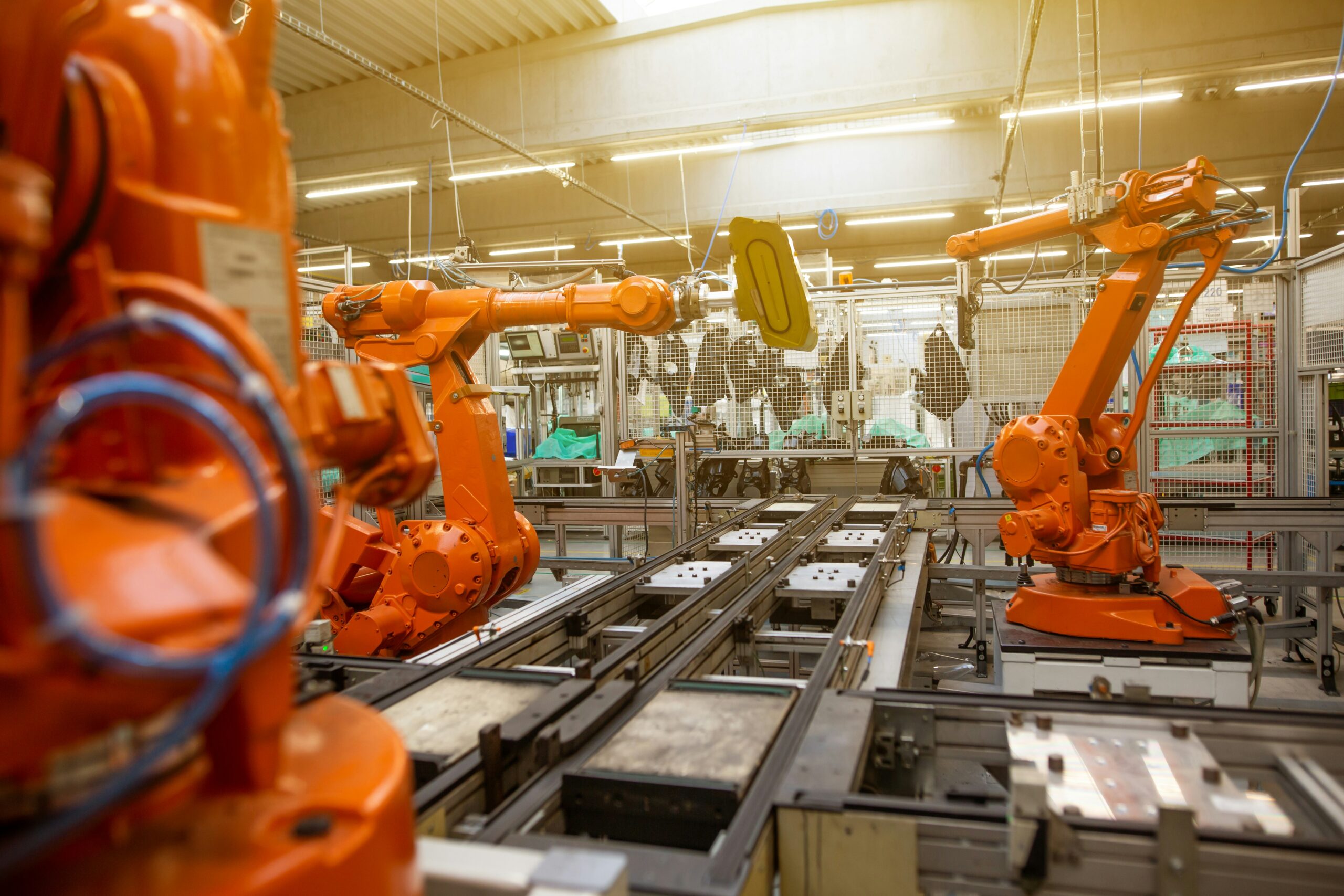
Inside the physical warehouse, S/4HANA Extended Warehouse Management (EWM) directs the flow of goods. The 2026 breakthrough is how it connects to physical hardware. Utilizing SAP BTP as the integration layer, retailers can seamlessly plug-and-play third-party IoT sensors, automated guided vehicles (AGVs), and drone scanners into EWM. SAP acts as the central intelligence, directing the robotic hardware to pick, pack, and sort inventory with unprecedented speed. Because of the Clean Core mandate, retailers no longer write messy custom code to connect their SAP system to warehouse robots.
The Bottom Line
The combination of retail-specific Industry Clouds and an autonomous back-end supply chain represents a foundational shift in commerce technology. By keeping the core ERP clean, utilizing SAP BTP for integrations, and embedding agentic AI into every layer of the business, retailers are finally achieving the holy grail: the ability to sense consumer demand instantly and physically deliver on it flawlessly.
Do you have any questions about Bolders Consulting Group’s services? Or, are you looking for more information regarding our solution development services? Contact Bolders today to learn how we can help transform your business with our solutions!